
How to Tell If Your Maryland Home Has Termites
Common signs of termites include mud tubes, discarded wings, hollow wood, sagging floors, bubbling paint, and windows or doors that suddenly become hard to open. If you notice one or more of these warning signs, it's important to have your home inspected as soon as possible. Catching termite damage early can save you thousands of dollars in repairs.
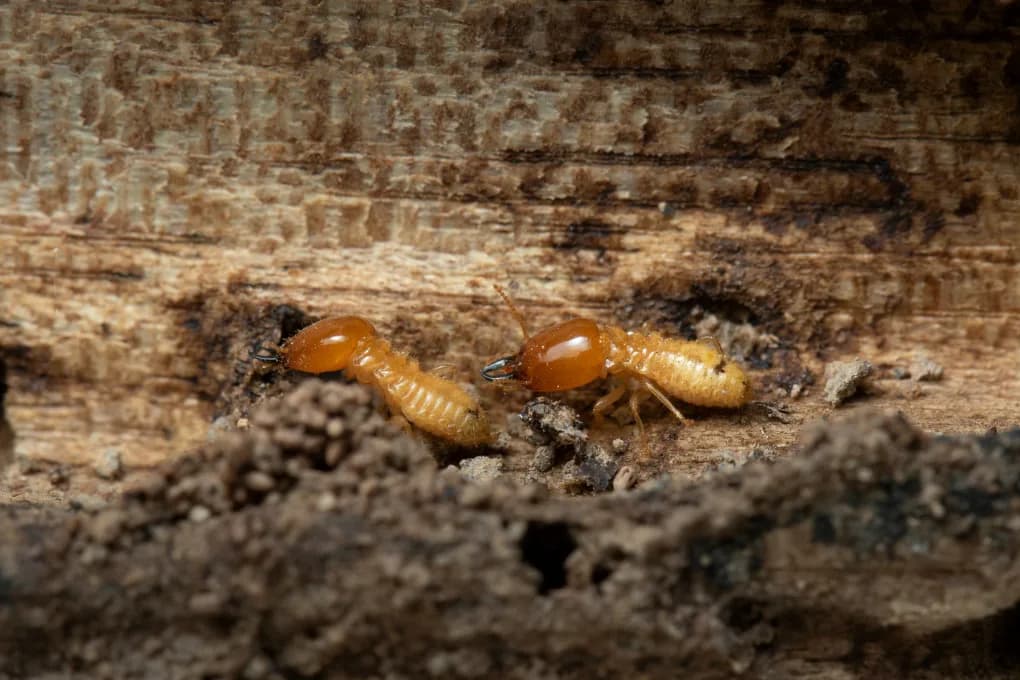
Termites are often called "silent destroyers" because they can damage a home for months (or even years) before homeowners realize they're there. In Maryland, where warm, humid weather and older homes are common, termite problems aren't unusual.
The good news is that termites usually leave clues. Knowing what to look for can help you catch a problem early and decide on the best next steps.
Why Termites Are a Serious Problem
Unlike ants or other household pests, termites don't just invade your home… they eat it.
Termites feed on wood and other materials that contain cellulose. Over time, they can weaken floors, walls, support beams, and other structural parts of your home. The longer an infestation goes untreated, the more expensive the repairs can become.
That's why it's important not to ignore the warning signs, even if the damage seems minor.
7 Common Signs of Termites
1. Mud Tubes Along the Foundation
One of the easiest signs to spot is a mud tube.
These narrow, pencil-sized tunnels are often found along your home's foundation, crawl space walls, or where the ground meets wood. Subterranean termites build these tubes to travel between their colony and their food source while staying protected from the air.
If you find mud tubes, don't remove them right away. They can help a pest control professional confirm termite activity.
2. Discarded Wings
Have you noticed small piles of clear wings near windows, doors, or light fixtures?
Flying termites, called swarmers, shed their wings after finding a new place to start a colony. While seeing wings doesn't always mean your home has an active infestation, it's a sign that termites have been nearby.
3. Hollow or Damaged Wood
Termites usually eat wood from the inside out.
A door frame, floor, or wall may look perfectly normal on the outside but sound hollow when you tap it. In some cases, the wood may feel soft or crumble easily when pressed with a screwdriver.
4. Small Termite Droppings
Drywood termites leave behind tiny wood-colored droppings called frass.
These pellets often collect beneath damaged wood and can look like small piles of sawdust or coffee grounds.
5. Bubbling or Cracked Paint
Paint that suddenly bubbles, peels, or cracks can sometimes be mistaken for water damage.
In some cases, moisture caused by termite activity creates the same appearance. If the paint damage appears alongside other warning signs, it's worth having the home inspected.
6. Windows and Doors That Stick
If a window or door suddenly becomes difficult to open or close, swelling wood could be the cause.
While humidity can also make wood expand, termite damage may create similar problems, especially when paired with other signs on this list.
7. Sagging or Uneven Floors
Floors that feel soft, uneven, or begin to sag may point to damage beneath the surface.
This doesn't always mean termites are responsible, but damaged subflooring or support beams should be inspected as soon as possible.
Can You Hear Termites?
Most homeowners never hear termites, but it's possible.
If your home is very quiet, you might notice:
Faint clicking sounds inside the walls
Hollow-sounding wood
Floors that squeak more than usual
These sounds alone don't confirm termites, but they may be another reason to schedule an inspection if you've noticed other warning signs.
What Should You Do If You Think You Have Termites?
Finding signs of termites doesn't automatically mean your home is beyond repair.
Start by taking a few simple steps:
Don't disturb the damaged area.
Take photos of what you've found.
Schedule a professional termite inspection.
Learn how much damage has been done.
Compare your repair costs with your long-term plans for the home.
The sooner you understand the extent of the damage, the easier it is to decide what makes sense financially.
How Much Does Termite Damage Cost?
Repair costs depend on how much damage has been done and which parts of the home are affected.
On average, homeowners can expect to pay around $3,000 in repair costs. However, depending on the extent of the damage, that figure can range anywhere from $300 to well over $10,000.
In severe cases, termites can compromise critical structural components such as support beams or load-bearing walls, repairs that often require extensive construction and specialized labor.
It's also important to know that most homeowners insurance policies do not cover termite damage because it's generally considered a maintenance issue.
Can You Sell a House With Termite Damage?
Yes.Many homeowners assume they have to repair termite damage before selling, but that's not always the case.
Some buyers may expect repairs before closing, while others (like cash homebuyers) buy homes in their current condition.
If repairing the home isn't the right financial decision for you, it's worth exploring all of your options before investing thousands of dollars into renovations.
We Buy Houses With Termite Damage
If your Maryland home has termite damage, we're here to help.
We've worked with many homeowners facing costly repairs, and we understand that every situation is different. Whether the damage is minor or extensive, we'll explain your options and help you decide what makes the most sense for you.
When you sell to us, you can expect:
No fees or commissions. What we offer is what you receive.
A flexible closing timeline that works with your schedule.
Leave behind any unwanted belongings, and we'll handle the cleanout.
An as-is sale, meaning you do not have to make any repairs.
A local, experienced team that will answer your questions honestly and never pressure you into selling.
Even if you're still deciding what to do, we're happy to talk through your options.
Need to Sell a House With Termite Damage?
Termites can be stressful, but you don't have to figure everything out on your own.
Whether you've just discovered termite damage or you've known about it for years, we're here to answer your questions and explain your options. There's no pressure to sell; just honest guidance from a local team that's helped Maryland homeowners through situations like yours.
Call 410-989-4564 today for a free, no-obligation cash offer.
Frequently Asked Questions
What are the first signs of termites?
Mud tubes, discarded wings, hollow wood, bubbling paint, and small termite droppings are some of the earliest signs homeowners notice.
Can termites make my floors sag?
Yes. If termites damage subflooring or support beams, floors can become soft, uneven, or begin to sag.
Will homeowners insurance pay for termite damage?
Most homeowners insurance policies do not cover termite damage because it's usually considered a maintenance issue. Check your policy or contact your insurance provider to learn what your coverage includes.
Can I sell my house if it has termite damage?
Yes. Some buyers require repairs, but others purchase homes as-is. It's a good idea to compare your options before deciding how much money to invest in repairs.
Should I repair termite damage before selling?
That depends on the extent of the damage, the cost of repairs, and your goals. Sometimes repairs make sense. Other times, selling the home as-is may be the better option.