
When Should I Sell My Rental Property? 7 Signs It May Be Time
You may want to sell a rental property when it consistently loses money, requires major repairs, no longer fits your investment strategy, or creates more work and risk than the income justifies. The decision should be based on the property’s true cash flow, future expenses, marketability, and your personal financial goals.
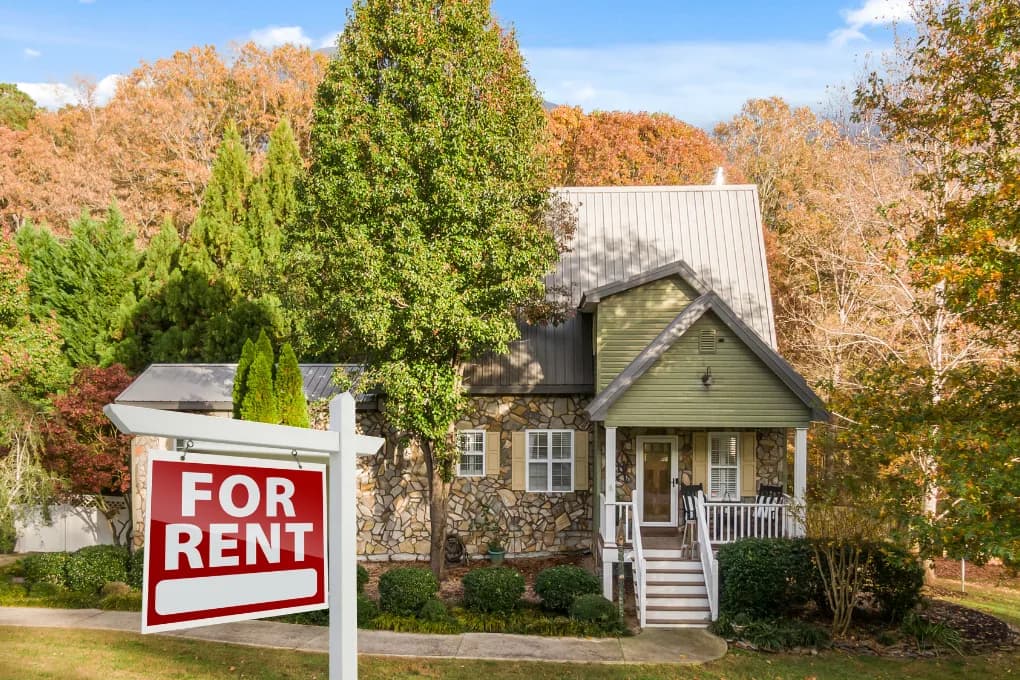
Owning a rental property can be a powerful way to build long-term wealth. Rent payments may generate monthly income, help cover the mortgage, and contribute to the property’s appreciation over time.
But a rental is still an investment, and not every investment should be held forever.
Vacancies, repairs, tenant turnover, rising expenses, and the time required to manage the property can gradually reduce its value to you. A property that once made sense may no longer support your financial goals or fit your lifestyle.
So, how do you know when it is time to stop holding and start considering a sale?
The following signs can help you evaluate the property more objectively.
1. The Property Is Consistently Losing Money
A rental property can collect rent every month and still operate at a loss.
To understand its actual performance, look beyond the rent payment and calculate the property’s net cash flow.
Expenses to include
Your calculation should account for:
Mortgage payments
Property taxes
Landlord insurance
Homeowners association fees
Property management fees
Repairs and routine maintenance
Utilities paid by the owner
Landscaping and snow removal
Pest control
Licensing or inspection expenses
Vacancy periods
Legal and administrative costs
Capital expenditures, such as roofs, HVAC systems, and appliances
Subtract those expenses from the rent you collect.
If the property repeatedly produces negative cash flow, it may be time to consider selling.
Do not judge the property by one bad month
A major repair or temporary vacancy does not automatically make a rental a bad investment. Look at its performance over a longer period and determine whether the losses are temporary or part of an ongoing pattern.
2. A Major Repair Is Approaching
Every rental property eventually requires more than minor maintenance.
Aging roofs, plumbing systems, electrical components, foundations, furnaces, and air-conditioning systems can create substantial expenses. Older properties may also require several major projects within a short period.
Before approving a costly renovation, ask:
How much will the repair cost?
How long will it take to recover that cost through rent?
Will the repair meaningfully increase the property’s value?
Are other major systems likely to need replacement soon?
Do I have enough cash reserves to complete the work responsibly?
A repair may be worthwhile when the property remains profitable and fits your long-term strategy. However, investing heavily in a rental you already want to leave may simply delay an inevitable sale.
3. Vacancies and Turnover Are Reducing Your Returns
Tenant turnover affects more than one month of rent.
When a tenant moves out, landlords may need to pay for:
Cleaning
Painting
Flooring replacements when necessary
Appliance repairs when necessary
Trash removal
Advertising
Leasing assistance
Utility service
Lawn care
Security
Lost rent during the vacancy
A property with frequent turnover can become expensive even when the monthly rent looks attractive.
Consider whether the vacancy is caused by a temporary issue or a broader problem, such as the property’s location, condition, layout, rental price, or local demand.
If repeated turnover has made the property difficult to operate profitably, selling may be more practical than continuing to fund another round of improvements.
4. Being a Landlord No Longer Fits Your Life
Financial performance matters, but so does the personal cost of ownership.
A rental property may require regular attention, including:
Tenant communication
Emergency repair calls
Contractor coordination
Rent collection
Inspections
Lease renewals
Legal compliance
Bookkeeping
Property visits
Even with a property manager, the owner remains responsible for major financial and strategic decisions.
It may be time to sell if the property is interfering with your work, retirement, health, family responsibilities, or peace of mind.
Selling does not mean the investment failed. It may simply mean the property no longer matches the life you want.
5. Your Money Could Be Used More Effectively Elsewhere
Rental properties can build equity, but that equity is not always easy to access.
If a large portion of your wealth is tied up in one property, consider what selling could allow you to do.
You may want to:
Pay down high-interest debt
Build a larger emergency reserve
Diversify your investments
Purchase a stronger-performing property
Fund retirement
Cover education or healthcare costs
Reduce financial risk
Leave the landlord business entirely
This does not automatically mean selling is the best option. It means the property should be compared with the other ways you could use the equity.
6. The Property No Longer Fits Your Investment Strategy
Your goals may have changed since you purchased the rental.
Perhaps you originally wanted monthly income but now prefer long-term appreciation. Maybe you want fewer properties, newer properties, a different market, or a more passive investment.
A rental may no longer fit your strategy if:
It requires more management than your other properties.
Its returns are weaker than the rest of your portfolio.
It is located too far away.
It exposes you to too much risk in one neighborhood.
You want to consolidate your holdings.
You are preparing to retire from property management.
Strong investors regularly reassess whether each asset still serves a purpose. Holding a property simply because you already own it is not always the best financial decision.
7. You Have Lost Confidence in the Property’s Future
Rental ownership involves uncertainty, but you should still have a clear reason for continuing to hold the property.
Ask yourself:
Do I expect rents to support future expenses?
Can I afford upcoming repairs?
Does the neighborhood still fit my investment goals?
Am I comfortable with the property’s risk?
Would I buy this property again today?
That final question can be especially revealing.
If you would not purchase the property today at its current value, with its current condition and expenses, consider why you are continuing to own it.
Rental Property Hold-or-Sell Scorecard
Use this table as a starting point for your decision.
Question | A Reason to Hold | A Reason to Sell |
Is the property profitable? | Reliable positive cash flow | Ongoing negative cash flow |
Are repairs manageable? | Routine maintenance only | Major systems need replacement |
Is tenant demand stable? | Low vacancy and dependable tenants | Frequent vacancy or turnover |
Does it fit your lifestyle? | Management feels manageable | Ownership causes ongoing stress |
Does it support your strategy? | Aligns with long-term goals | No longer fits your portfolio |
Could the equity work harder elsewhere? | Returns remain competitive | Better uses exist for the capital |
Would you buy it again? | Yes, based on today’s numbers | No, based on today’s numbers |
One negative answer may not justify selling. Several negative answers together may indicate that the property deserves a closer review.
Calculate the Cost of Holding for Another Year
Before making a decision, estimate what it will cost to own the property for another 12 months.
Include expected income and all likely expenses.
Estimated rental income
Calculate:
Monthly rent
Other property income
Expected vacancy allowance
Estimated ownership costs
Include:
Mortgage payments
Taxes
Insurance
Management
Repairs
Utilities
Association fees
Leasing costs
Planned capital improvements
A reserve for unexpected expenses
Then compare your projected net income with the amount of equity tied up in the property.
This exercise does not provide a complete investment analysis, but it can reveal whether you are holding a productive asset or funding an increasingly expensive obligation.
Should You Sell With a Tenant in Place?
A tenant does not always need to move out before a rental property is sold.
Depending on the lease, ownership structure, and buyer, you may be able to sell the home while it remains occupied.
An occupied rental can appeal to another investor because it may provide rental income immediately. However, the lease terms, payment history, property condition, and tenant communication can affect the transaction.
Review the lease and speak with an appropriate Maryland real estate or legal professional before making promises to a tenant or buyer.
Dominion Properties purchases rental properties in Maryland and may be able to evaluate a property with tenants in place. When possible, the team can also discuss options intended to minimize disruption for existing residents.
Your Options for Selling a Rental Property
Landlords generally have three main selling paths.
List the property with an agent
A traditional listing may provide broad market exposure. However, it can require repairs, cleaning, showings, tenant coordination, inspections, and buyer financing.
Sell to another investor
An investor may be interested in an occupied property, especially when the rental history and lease terms are attractive.
Sell directly to a cash buyer
A direct sale may be useful when the property needs repairs, is vacant, has management challenges, or needs to be sold on a more predictable timeline.
Dominion Properties purchases Maryland rental properties in their existing condition. Owners do not need to renovate or stage the property before requesting an offer.
What Selling to Dominion Properties Can Remove From the Process
Landlords often postpone selling because they expect the process to create another long list of responsibilities.
A direct sale can reduce some of those steps.
With Dominion Properties:
The property can be evaluated as-is.
Repairs and cosmetic updates are not required.
There are no real estate commissions charged by Dominion.
Dominion pays the customary closing costs associated with its purchase.
The closing timeline can be discussed around the owner’s needs. We can close very fast, or very slow. It all depends on your timeline.
The offer should be evaluated alongside your other selling options, expected expenses, and estimated net proceeds.
Take a Clear Look at Your Rental Property
If you are considering selling a rental property in Maryland, Dominion Properties can evaluate it in its current condition and provide a no-obligation cash offer.
Call 410-989-4564 to discuss the property and compare your options.
This article is for general informational purposes and does not constitute legal, tax, or financial advice. Consult qualified professionals regarding your property and individual circumstances.
Frequently Asked Questions
Is it better to sell a rental property or keep renting it?
It depends on the property’s cash flow, condition, future expenses, equity, and your financial goals. A profitable, manageable rental may be worth keeping, while a property with recurring losses or major upcoming costs may be a candidate for sale.
How do I know whether my rental property is profitable?
Subtract all ownership and operating expenses from the income the property generates. Include vacancy, repairs, management, taxes, insurance, utilities, and reserves for major replacements: not just the mortgage payment.
Should I sell my rental property before making repairs?
Compare the likely repair cost with the increase in sale price or rental income the work may produce. If the property requires extensive improvements, requesting an as-is offer can help you compare selling now with repairing first.
Can I sell a rental property with tenants living there?
In many cases, yes, but the lease and applicable legal requirements must be considered. Review the lease and consult a qualified professional before taking action that could affect the tenant.
What happens to the lease when a rental property is sold?
The answer depends on the lease terms, the type of tenancy, and applicable law. A qualified Maryland real estate attorney or property professional can explain how the agreement may affect a particular sale.
Do I have to clean out a vacant rental before selling it?
Not necessarily. Dominion Properties evaluates rental properties as-is, and owners can leave anything they do not want behind.
Is landlord burnout a good reason to sell?
Yes. Time, stress, and management responsibility are legitimate factors in an investment decision. A property may produce income and still be a poor fit for your health, schedule, or long-term plans.